Book an appointment
Book an appointment with our professional, knowledgeable and friendly team who will be happy to help.
If you’re looking to get an extension built, the biggest decision you’ll have to make is choosing between a conservatory vs orangery.
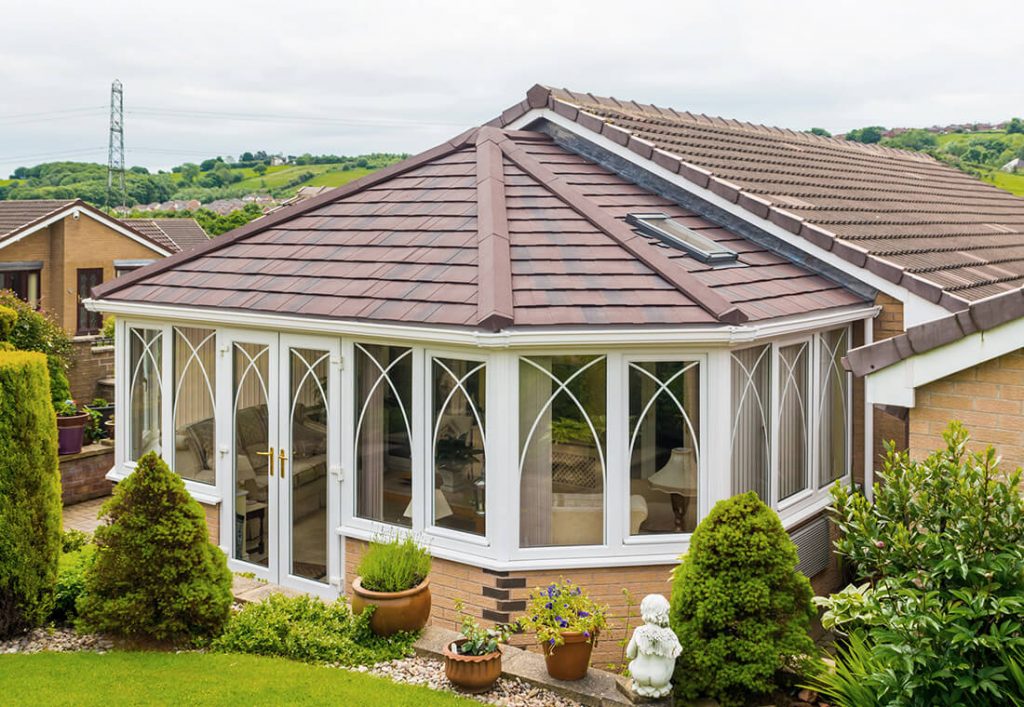
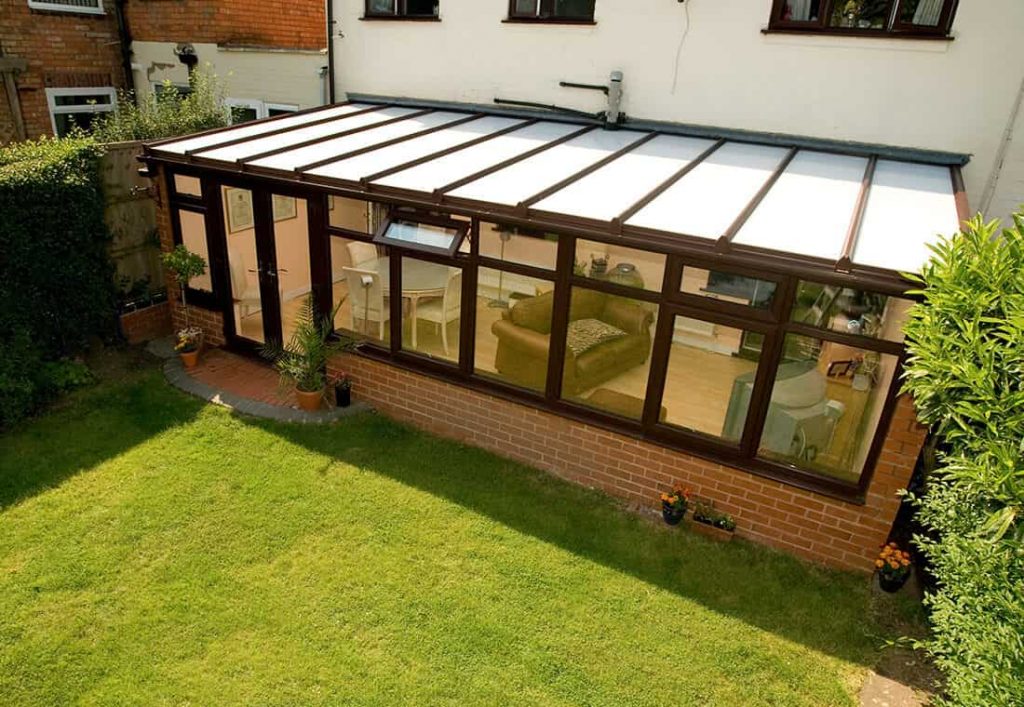
Both are good picks, evidenced by their use in British homes for centuries. Conservatories have been around on these shores since the Victorian era and need little introduction. They are predominantly glazed structures, although they can now be completed with tiled roofs.
Orangeries differ slightly; they feel a little more permanent with a brick base and pillars. As a result, they do have less glass, with conservatories being the top pick for natural light intake, orangeries feel more like a secluded space.
Both are great for thermal performance, with the previous issues suffered by older extensions, such as temperature swings and condensation, a thing of the past thanks to modern glazing materials. We’ll explore the two in more detail below.
Conservatories have come a long way from their early use in the Renaissance gardens of Italy, where they protected orange trees and supported plant growth.
They’re still a great option if you’re looking to create your own mini Eden project, but most of our clients use them as a space to unwind or as a home office. Although we did recently install one intended to host an orange tree!
Modern conservatories feature large glass windows with thermally efficient glazing, built to ensure that your space is comfortable all year round, whatever the weather. No overheating in the summer, no chills in the winter.
We use uPVC frames to aid with this reduction of heat transfer, and because this synthetic material (often used for windows and doors) is incredibly easy to clean and maintain.
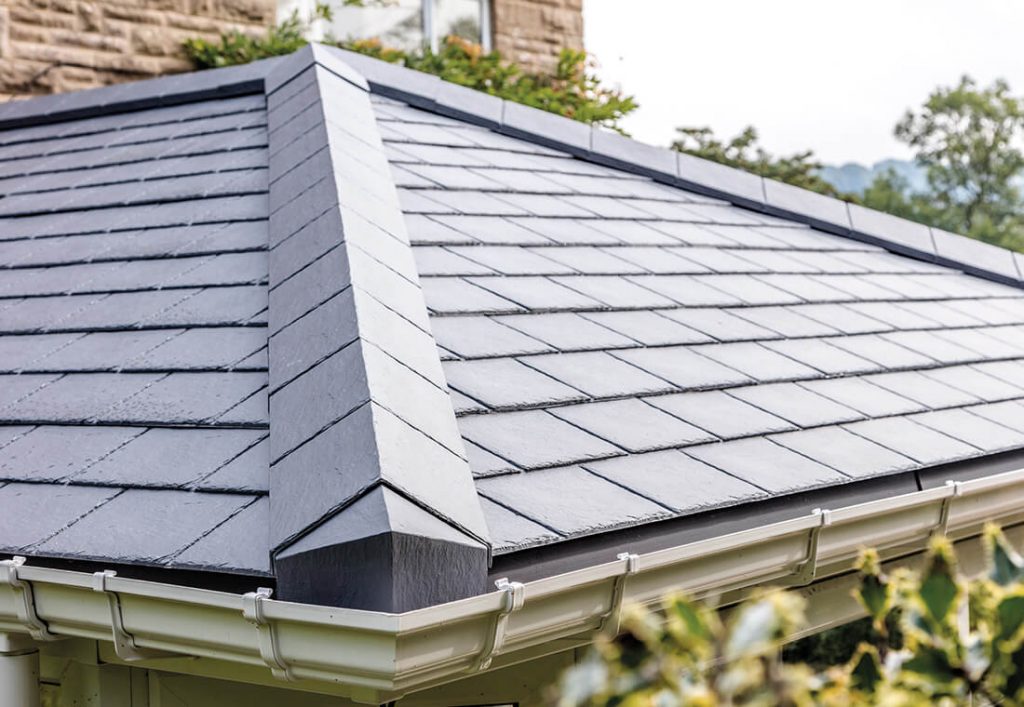
You have the choice of either a glass or tiled roof from Leamore Windows.
We offer a range of conservatory styles, including:
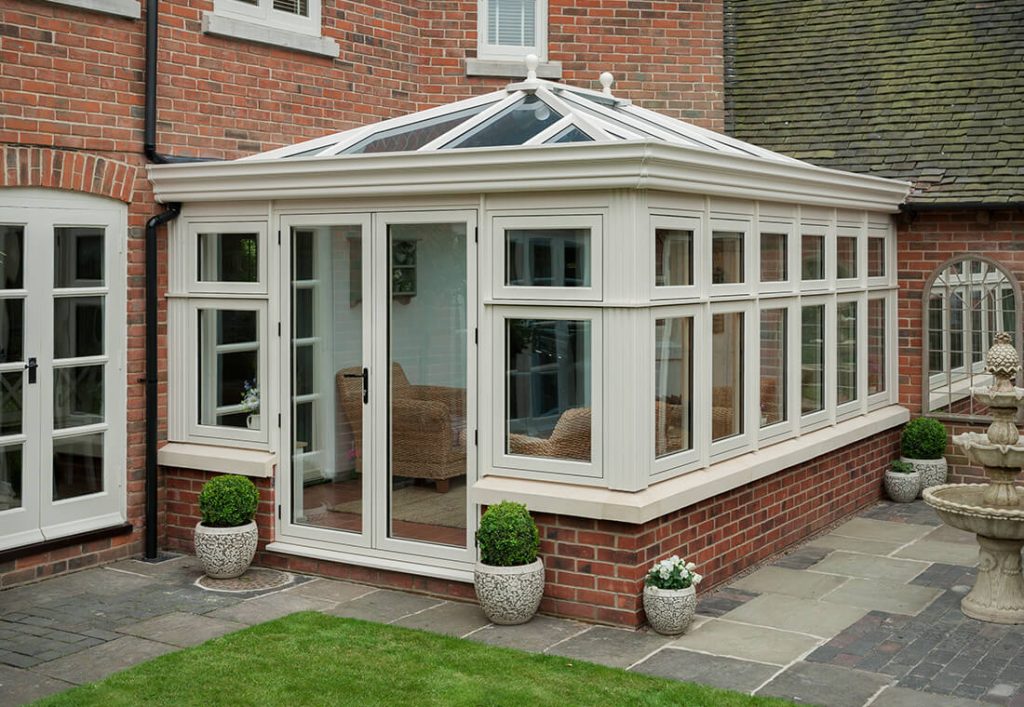
Orangeries offer a more solid alternative. Built using a combination of glazing and brickwork, they feel closer to a traditional extension.
Just like conservatories, they originated in Renaissance Italy, built to protect citrus trees from harsh winters. They’re now found across the UK but often come in at a slightly higher price point than conservatories.
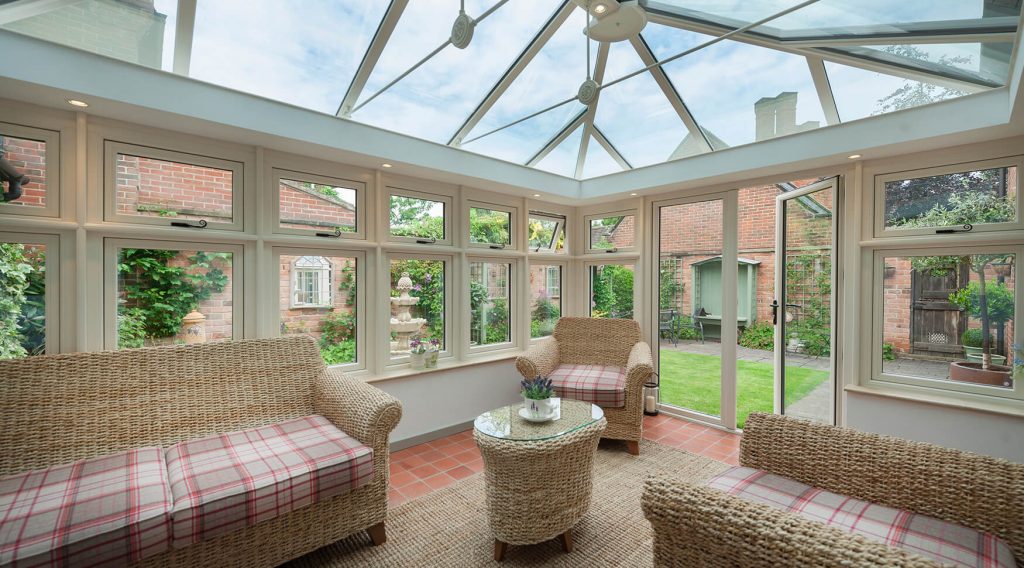
Whilst they do feel more permanent, in many ways, being inside an orangery won’t feel too different to being inside your existing living room or kitchen, they attract natural light through a roof lantern which brings in sun from all angles.
A typical orangery includes:
This design still allows plenty of natural light in, while improving temperature control and reducing heat loss during the winter months.
Choosing between these extension styles depends on how you want the space to look and perform.
Conservatories are lighter and more transparent, with more glass throughout. Orangeries feel more substantial and blend more closely with traditional homes.
Conservatories are primarily made from uPVC and glazing. Orangeries combine uPVC with brickwork and a partially solid roof.
Conservatories maximise natural light, while orangeries provide slightly better insulation due to having less glass and more solid structure. Conservatories are still great for thermal performance though, and the previous issues with older materials (chills, condensation) are no longer the case.
Orangeries typically come with a higher price tag than conservatories. However, the investment promises to be reflected in your home’s overall value.
| Feature | Conservatories | Orangeries |
| Structure | Fully glazed | Brick and glazing |
| Roof type | Glass or polycarbonate | Flat roof with roof lantern |
| Natural light | Maximum | Balanced |
| Insulation | Good | Higher by design |
| Style | Light and airy | Solid and extension-like |
| Cost | More affordable | Higher investment |
If you’re looking for a bright, open and cost-effective way to extend your home, a conservatory is often the right choice.
Conservatories are designed to let in as much daylight as possible through large glazed areas.
They are generally more affordable than orangeries while still adding valuable extra space.
Ideal for a garden room, conservatories create a seamless link between your home and outdoor space.
If you want something that feels more like a permanent part of your home, an orangery may suit you better.
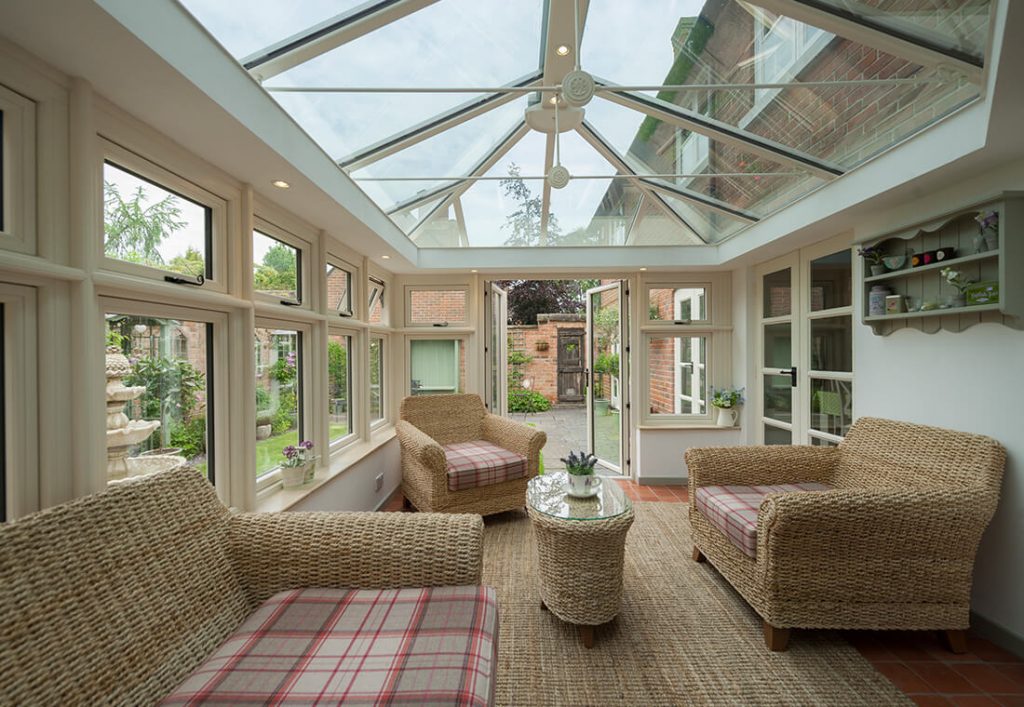
Our uPVC conservatories are built from the ground up, starting with a solid base and finished with durable roofing systems designed for long-term performance.
Key features include:
We offer a wide range of frame colours, from classic white to anthracite grey and woodgrain finishes like golden oak and rosewood. Our designs help reduce heat loss, making your new space more comfortable and energy efficient.
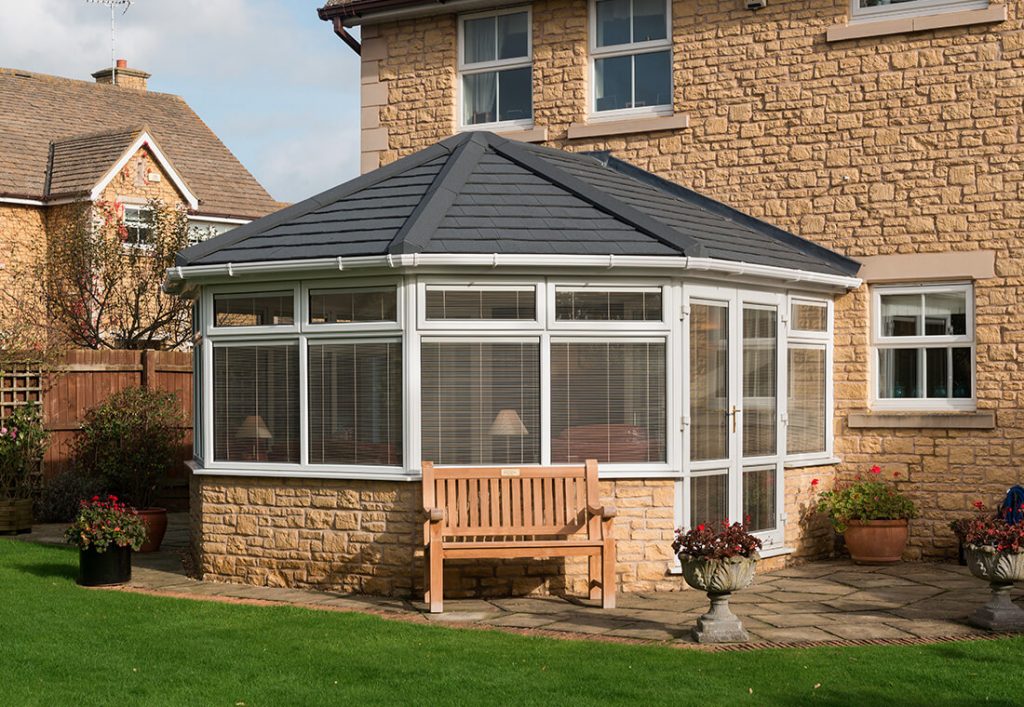
Our orangeries are designed to provide a more substantial extension, combining solid structure with carefully placed glazing.
They include:
Many projects fall under permitted development rights, though larger builds or homes in a conservation area may require approval.
Both add value, though orangeries often contribute more due to their solid, extension-like design.
Yes, especially with modern glazing and insulation upgrades.
Popular uses include a dining area, office, lounge, or playroom.
We’ve been helping homeowners across the West Midlands since 1983. As an award-winning, family-run business based in Walsall, we’ve built our reputation on honest advice, high-quality products, and reliable installations. We don’t use pressure sales tactics (you can explore our showroom at your own pace!)
Our expert, FENSA-Approved team works closely with you from the first enquiry through to installation, making the whole process straightforward and stress-free. Whether you’re considering a new conservatory or orangery, we’ll help you find a design that suits your home, your lifestyle, and your budget.
Get in touch today to arrange a consultation, visit our showroom, or request a quote. We’re always up for a chat on 01922 473 737.